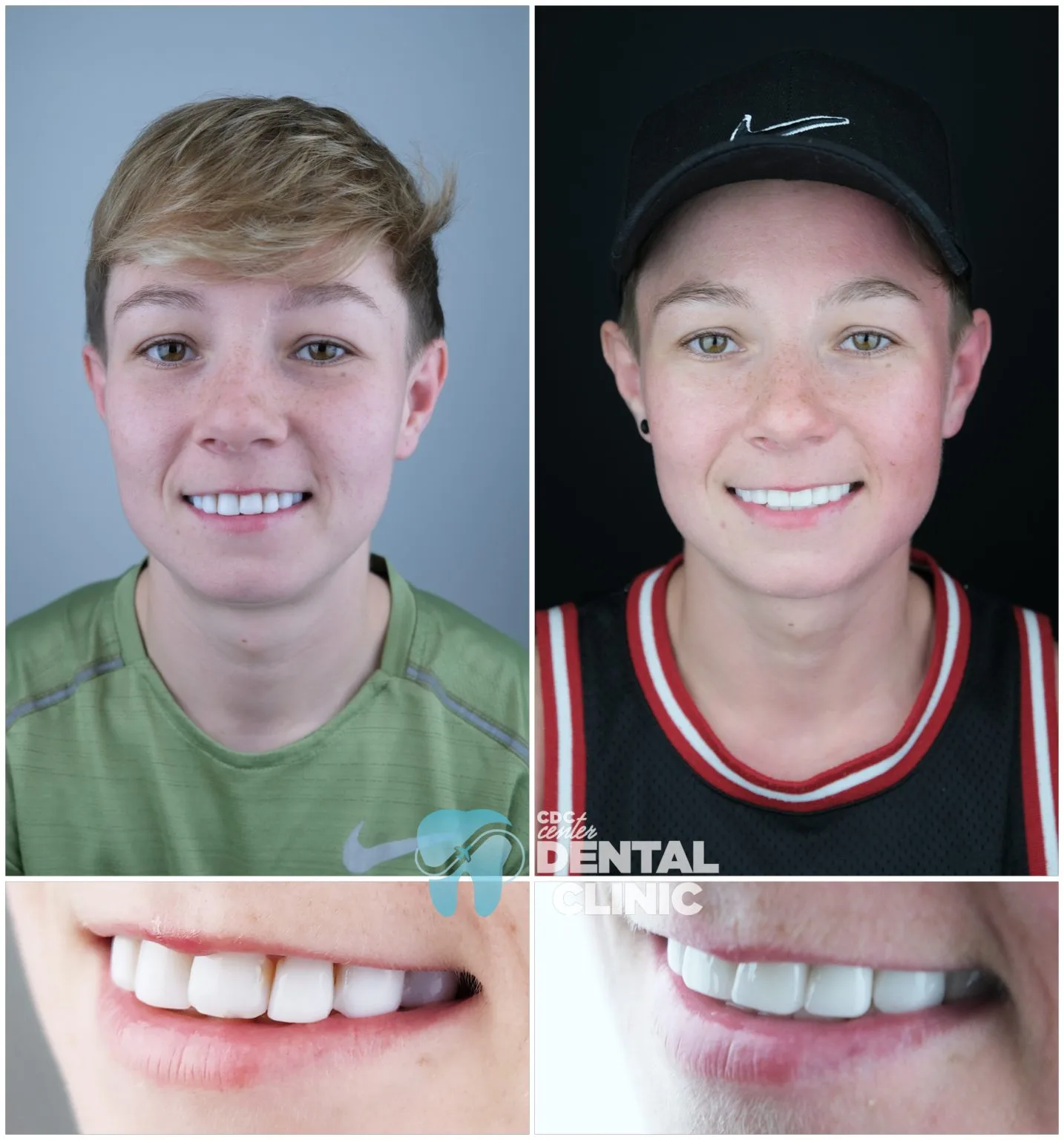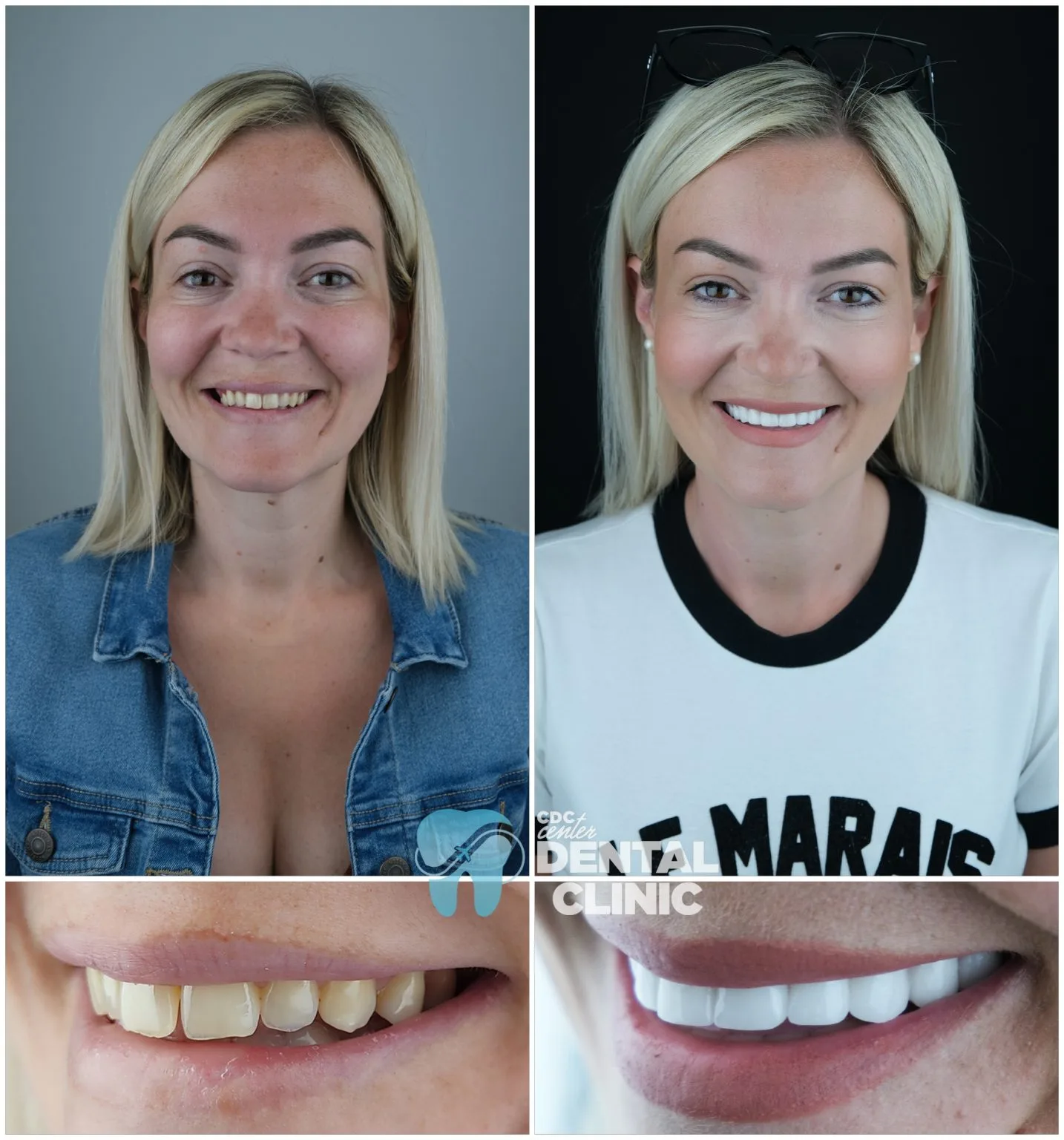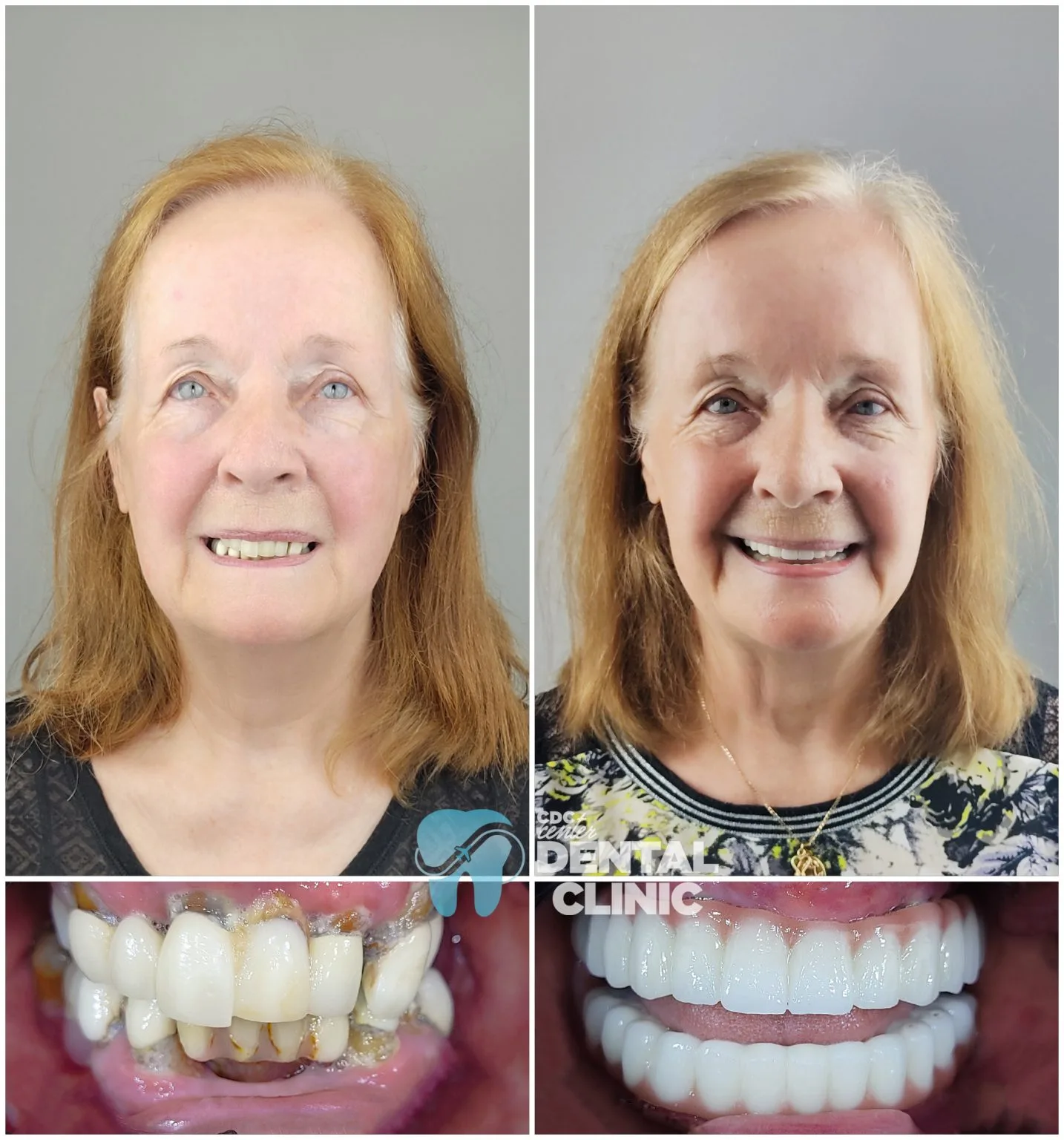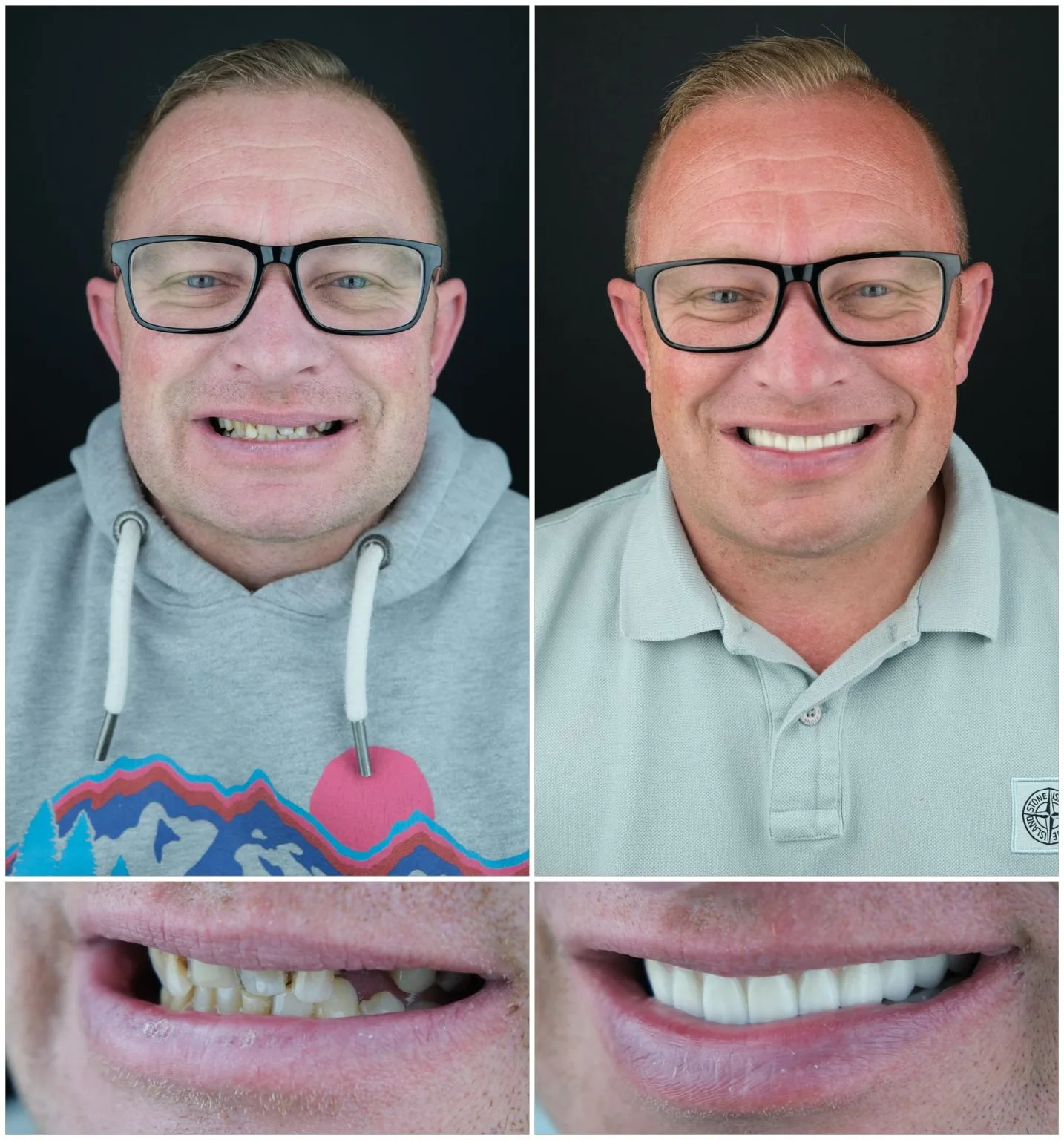





How to Stop Bleeding Gums: 7 Simple Remedies That Work
Understanding the Causes of Bleeding Gums
Bleeding gums are a symptom that can stem from a variety of oral health and systemic issues. While occasional bleeding during tooth brushing may appear harmless, persistent symptoms require attention. Understanding the underlying causes provides a pathway to effective remedies and preventive care. This blog delves into the potential triggers, linking them to broader dental health concepts such as aesthetic dentistry, porcelain crowns, and smile design, which may influence gum health indirectly.
Common Causes of Bleeding Gums
- Poor Oral Hygiene Inadequate brushing and flossing can lead to a build-up of plaque. Over time, this can harden into tartar, contributing to gingivitis, the earliest stage of gum disease. Gingivitis is often characterised by swollen, red gums that bleed easily.
- Aggressive Brushing or Flossing Using excessive force while brushing or flossing can irritate the gums, resulting in bleeding. Opting for a soft-bristled toothbrush and correct techniques is essential.
- Gum Disease (Periodontitis) If gingivitis progresses, it can evolve into periodontitis, a more severe gum infection affecting the tissues and bone. This advanced condition can cause frequent bleeding and might interfere with treatments like dental implants, particularly those aimed at achieving “secrets to long-lasting success.”
- Certain Dental Procedures Treatments like tooth bleaching, the application of porcelain crowns, or the use of other materials in restorative and cosmetic procedures may sometimes cause temporary gum irritation and bleeding. Proper post-procedural care minimises this risk.
- Vitamin Deficiencies Bleeding gums can be linked to deficiencies in vitamins like C and K, which play a crucial role in maintaining gum health. These nutritional gaps weaken the protective barrier of the gum tissue.
- Hormonal Changes Pregnancy, menopause, or hormonal fluctuations can increase gum sensitivity, leading to bleeding during routine dental care like brushing.
- Blood Disorders or Medications Certain medical conditions, such as clotting disorders, or medications like blood thinners, can contribute to gum bleeding. Informing a dentist of such conditions ensures tailored care.
Understanding these causes is vital for addressing issues and maintaining healthier gums. Transitioning to advanced dental services, such as aesthetic dentistry and smile design, benefits from a foundation of optimal gum health to achieve desired results. Through attention to oral care routines and recognising symptoms early, individuals can ensure sustained improvements in both functionality and aesthetic appeal.
The Importance of Good Oral Hygiene
Good oral hygiene is fundamental not only to maintaining a healthy smile but also to preventing issues like bleeding gums, which can signal underlying gum disease. Poor oral care habits, if left unchecked, can lead to complications requiring advanced dental procedures such as porcelain crowns, aesthetic dentistry, or even dental implants. Maintaining cleanliness in the oral cavity ensures long-term success, as seen in many blogs discussing smile design and tooth bleaching techniques.
Bleeding gums often occur as a result of plaque buildup along the gum line. Regular brushing and flossing are the cornerstone of oral hygiene, as they help to remove plaque and food particles that would otherwise irritate the gums. Dentists recommend using a toothbrush with soft bristles to avoid further irritation. A fluoride toothpaste can strengthen teeth and protect against cavities, complementing the care routine for healthy gums.
Hydration also plays a critical role in oral hygiene. Water helps to wash away debris and bacteria, ensuring a cleaner environment in the mouth. Additionally, decreasing the consumption of sugary snacks and acidic beverages can prevent tooth decay and gum irritation.
Routine dental check-ups are equally indispensable for preserving gum health. Professional cleanings remove tartar that everyday brushing cannot and address early signs of gum disease. Dentists may suggest personalised prevention strategies tailored to the patient’s specific needs, ensuring a proactive approach to gum health.
Practising good oral hygiene is not only a preventive measure but also a critical element for maintaining the longevity of results from aesthetic procedures, such as dental implants secrets to long-lasting success. With consistent effort, the foundations of a bright, healthy smile can be secured.
Rinsing with Warm Salt Water
Rinsing with warm salt water is a tried-and-tested remedy often mentioned in blogs focused on dental care, including resources discussing topics like smile design, tooth bleaching, aesthetic dentistry, porcelain crowns, and even dental implants secrets to long-lasting success. Warm salt water acts as a natural healing agent by reducing inflammation, soothing tissues, and clearing harmful bacteria from the oral cavity.
Salt has mild antiseptic properties that aid in preventing infections while promoting gum health. Warm water adds comfort and enhances blood circulation in affected areas. Together, they form a simple yet effective solution for bleeding gums that is both affordable and accessible. It is useful after dental treatments involving aesthetic dentistry or surrounded by decisions such as porcelain crowns placement and tooth bleaching.
To prepare the rinse:
- Mix half a teaspoon of salt into one cup of warm water.
- Ensure the water is neither too hot nor too cold to avoid irritating sensitive gums.
- Stir the solution thoroughly until the salt dissolves completely.
The proper way to use a salt-water rinse involves swishing it gently around the mouth for about 30 seconds before spitting it out. This step may be repeated two to three times daily, especially after brushing or flossing. Regular rinsing helps in reducing swelling, cleaning minor wounds, and alleviating discomfort associated with gum bleeding or other dental concerns.
Saltwater rinses are particularly advantageous for individuals undergoing dental procedures such as smile design or porcelain crown placements, as they help maintain oral hygiene during recovery. While this remedy is effective, it is essential to follow professional guidelines and consult a dentist if bleeding persists or worsens.
Using Antibacterial Mouthwash
Maintaining excellent oral hygiene is essential for addressing bleeding gums, a concern frequently discussed in blogs focused on aesthetic dentistry and smile design tips. Antibacterial mouthwash can play a crucial role in stopping gum bleeding, as it helps reduce bacterial buildup, which is a key contributor to gum irritation, swelling, and inflammation. Using the right mouthwash ensures that the bacteria causing gingivitis are significantly reduced, which allows gums to heal over time.
Antibacterial mouthwashes are formulated to target harmful bacteria while helping to maintain the balance of your oral microbiome. Key ingredients like chlorhexidine or cetylpyridinium chloride are often included, as they exhibit effectiveness against bacteria contributing to gum disease. Additionally, these rinses are particularly beneficial for those wearing dental implants, helping mitigate infection risks and contributing to long-lasting success in maintaining oral health.
To use antibacterial mouthwash effectively, the individual should start with brushing and flossing their teeth thoroughly. Swishing the mouthwash around the mouth for at least 30 seconds ensures complete coverage of gums and hard-to-reach areas. The process allows the active ingredients to work on bacteria that may linger even after brushing. However, rinsing with water immediately afterward should be avoided, as this can dilute its efficacy.
By incorporating an antibacterial mouthwash into daily routines, individuals can also enhance the outcomes of professional treatments like tooth bleaching, porcelain crowns application, or scaling and polishing. This practice aligns with broader preventive dental care goals and supports gum health by mitigating the primary causes of inflammation. Moreover, its simplicity makes it an accessible addition to one’s oral care regimen without disrupting the aesthetic benefits of treatments such as smile design or cosmetic dentistry procedures.
Regular use of antibacterial mouthwash promotes healthier gums, reduces bleeding, and provides a crucial step towards restoring a confident and healthy smile.
Brushing and Flossing Correctly
Proper brushing and flossing techniques are critical for addressing bleeding gums and preventing further oral complications. Incorrect methods or insufficient oral care can exacerbate gum problems. Dentists and aesthetic dentistry practitioners often emphasise the importance of maintaining a disciplined oral hygiene routine to preserve gum and tooth health, ensuring a good foundation for smile design, dental implants, porcelain crowns, or even tooth bleaching procedures.
To brush effectively:
- Choose the right toothbrush: Select a soft-bristled toothbrush that is gentle on the gums and enamel, as hard bristles can cause gum irritation or recession. Electric toothbrushes are also a viable option for optimal plaque removal.
- Brush at the correct angle: Hold the toothbrush at a 45-degree angle to the gum line. This position allows the bristles to clean both the surface of the teeth and the area beneath the gum line efficiently.
- Use gentle strokes: Apply gentle, circular motions rather than vigorous back-and-forth scrubbing, which can damage gum tissue over time.
- Brush for an adequate duration: Brush for at least two minutes, twice daily, paying equal attention to all sections of the mouth.
Flossing is equally essential, as it removes debris and plaque from areas unreachable by a toothbrush. To floss correctly:
- Take a sufficient length of dental floss (around 18 inches) and wind it around the middle fingers, leaving about two inches to manoeuvre.
- Slide the floss gently between the teeth, curving it into a “C” shape around each tooth to ensure contact with the gum line.
- Avoid snapping the floss, as this can damage sensitive gum tissue.
- Use a fresh section of floss for each tooth to prevent spreading bacteria.
Consistent adherence to these techniques fosters healthier gums and reduces gum bleeding over time. Implementing these practices can not only improve gum health but also prepare individuals seeking procedures like dental implants or porcelain crowns, where strong gums are a prerequisite for long-lasting success.
Improving Your Diet for Gum Health
A well-balanced diet plays a critical role in maintaining optimal oral health, reducing the risk of bleeding gums, and supporting recovery from gum-related issues. Poor dietary habits can weaken gums and cause inflammation, leading to long-term concerns that might affect conditions linked to dental implants secrets to long-lasting success or aesthetic dentistry procedures like smile design, porcelain crowns, and tooth bleaching.
Nutrients Essential for Healthy Gums
Consuming foods rich in essential vitamins and minerals helps to strengthen gums and prevent bleeding. Key nutrients to incorporate into daily meals include:
- Vitamin C: This vitamin promotes collagen production and strengthens gum tissue. Common sources include oranges, strawberries, broccoli, and red peppers.
- Calcium: Vital for maintaining strong teeth and bones, calcium-rich foods such as yoghurt, milk, almonds, and kale support overall oral health.
- Vitamin D: Ensuring adequate sunlight exposure or including foods like salmon and fortified cereals can boost vitamin D levels, improving calcium absorption and gum resilience.
- Antioxidants: Foods rich in antioxidants, such as green tea, blueberries, and spinach, combat inflammation that contributes to gum bleeding.
Foods That Should Be Limited or Avoided
Several dietary elements can exacerbate gum bleeding or damage oral tissues. Minimising the consumption of the following can promote gum health:
- Sugary Foods and Drinks: Excess sugar contributes to plaque build-up, which can inflame gums. Avoid sodas, sweets, and processed snacks.
- Sticky Foods: Items like dried fruit and caramel may cling to teeth, creating a breeding ground for harmful bacteria.
- Acidic Foods: Citrus fruits, vinegar-based condiments, and soft drinks can erode enamel and irritate gums if consumed excessively.
Hydration and Oral Health
Proper hydration aids in the natural cleansing of the mouth, preventing dry conditions that allow bacteria to thrive. Drinking water frequently can flush food particles, reducing the risk of gum irritation caused by debris accumulation.
Making dietary adjustments not only enhances gum health but also lays the foundation for successful procedures such as dental implants and smile design. Awareness of how nutrition impacts oral health enables individuals to maintain long-lasting results from aesthetic dentistry practices like tooth bleaching and porcelain crowns.
Hydration: Drinking Enough Water
Maintaining adequate hydration is essential for oral health and can help prevent bleeding gums. Water plays a crucial role in ensuring that tissues in the mouth, including the gums, remain moist and healthy. Dry mouth, which can result from insufficient hydration, often creates an environment conducive to bacterial growth and the accumulation of plaque – two significant contributors to bleeding gums.
Drinking plenty of water throughout the day assists in washing away food particles and bacteria that might otherwise cling to the gumline. This mechanical rinsing effect reduces the risk of plaque buildup, a key factor in gum inflammation and bleeding. Especially after consuming sugary or acidic foods, drinking water can help neutralise acids in the mouth, minimising the erosion of gum tissues.
Individuals who wear dental implants or have undergone aesthetic dentistry procedures, including smile design, should be particularly mindful of hydration. Water consumption can support the longevity of treatments such as porcelain crowns or tooth bleaching, as it aids in maintaining a healthy oral environment free from bacterial overgrowth.
The connection between hydration and oral health extends to saliva production. Saliva contains enzymes essential for fighting bacteria, and staying hydrated ensures an adequate flow. Those with a habit of substituting water with sugary or caffeinated beverages might experience an increase in gum-related issues, including bleeding, due to dehydration and increased plaque formation.
To optimise hydration, dentists often recommend:
- Drinking at least 8 glasses (approximately 2 litres) of water daily.
- Prioritising water over sugary or acidic drinks.
- Rinsing the mouth with water after meals and snacks.
By incorporating these practices into daily routines, individuals can improve both oral and overall health, further safeguarding their dental implants secrets to long lasting success as well as general gum condition.
Using Natural Remedies like Aloe Vera and Turmeric
Bleeding gums can be alleviated with natural remedies, such as aloe vera and turmeric, which not only possess healing properties but also promote oral health. Aloe vera, recognised for its soothing nature, contains anti-inflammatory and antimicrobial compounds that help in reducing gum swelling and combating bacteria responsible for gum infections. Incorporating aloe vera into oral care routines can support individuals exploring blogs about aesthetic dentistry and smile design where maintaining healthy gums is vital for a bright and aesthetic smile.
Turmeric, a spice revered for its medicinal value in dental care, contains curcumin—a substance known for its potent anti-inflammatory and antibacterial qualities. Its effectiveness lies in preventing bacterial growth and enhancing oral hygiene. Dentist-recommended methods often include turmeric-based remedies as an adjunct to regular oral care, especially in instances of gum bleeding linked to mild infections or irritation during tooth bleaching or porcelain crowns procedures.
Application of Aloe Vera
- Extract pure aloe vera gel from the plant or use commercially available organic gel.
- Directly apply the gel to the gums and gently massage for two to three minutes.
- Rinse the mouth with lukewarm water afterward. This process can be repeated twice daily, supporting gum health while ensuring long-lasting success in dental implants maintenance.
Application of Turmeric
- Mix a teaspoon of turmeric powder with warm water to create a paste.
- Apply the paste to the affected gum area and leave it undisturbed for five minutes.
- Rinse thoroughly with plain water. Routine use strengthens oral defences.
Natural remedies like aloe vera and turmeric provide effective relief from gum bleeding when implemented correctly, complementing professional dental care and enhancing oral health outcomes discussed broadly in expert blogs.
Avoiding Tobacco and Alcohol
Avoiding tobacco and alcohol is crucial in maintaining optimal gum health and preventing bleeding gums. These substances negatively affect oral health, causing irritation and extensively increasing vulnerability to gum infections. Smoking or chewing tobacco diminishes blood flow to the gums, hindering healing and promoting inflammation. This poor circulation compromises the recovery of minor injuries and can worsen bleeding during brushing or flossing.
Alcohol, on the other hand, can also contribute significantly to oral problems. Excessive consumption dries out the mouth, reducing saliva production, which is vital for neutralising harmful bacteria. Dry mouth caused by alcohol provides an ideal environment for bacterial accumulation, heightening the risk of gum sensitivity and bleeding. Furthermore, the acidity in alcohol can erode enamel, worsening oral health conditions that indirectly affect the gums.
Individuals interested in smile design, aesthetic dentistry, or preserving dental implants secrets to long-lasting success should especially recognise the impact of tobacco and alcohol. These factors not only harm the gums but also jeopardise the appearance of porcelain crowns, tooth bleaching results, and overall oral aesthetics. For those invested in dental procedures that enhance their smile’s aesthetics, maintaining gum health is integral to achieving long-standing success.
To improve gum health, professional blogs often recommend substituting tobacco and alcohol with healthier habits. For instance, opting for hydrating drinks like water or herbal teas can help stabilise the mouth’s moisture levels. Additionally, chewing sugar-free gum can stimulate saliva production and prevent dryness. Patients considering aesthetic dentistry should proactively avoid smoking and excessive drinking to prevent complications and ensure an enduring, healthy smile design.
Tobacco and alcohol abstinence not only prevents bleeding gums but acts as a preventive measure against severe gum diseases. Making conscious lifestyle choices that promote oral hygiene supports the longevity of dental treatments, including tooth bleaching and porcelain crowns, while maintaining a healthy and confident smile.
When to Seek Professional Help for Persistent Symptoms
Persistent bleeding gums may sometimes indicate underlying health complications or require interventions beyond home remedies. Individuals who consistently experience bleeding gums despite adopting effective methods shared in blogs featuring aesthetic dentistry or smile design should consider consulting a dental professional promptly. Recognising when professional evaluation is necessary ensures gum health and helps identify potential systemic conditions that may be linked. Transitioning from over-the-counter tooth bleaching solutions to expert diagnosis is essential when symptoms persist.
Signs that warrant professional help include gum bleeding that lasts longer than a few days, unusual gum sensitivity, or pain despite using remedies like saltwater rinses. Redness, swelling, or bleeding after regular oral care practices, such as brushing and flossing, may signal developing gum disease. Persistent symptoms often indicate issues like periodontitis, a severe infection of the gums and a common cause of tooth loss, which can affect the success of dental implants and porcelain crowns. Such complications highlight the importance of early intervention to ensure long-lasting success in oral health.
Individuals undergoing complex procedures like smile design or dental implants should monitor gum health closely, as bleeding gums might hint at implant complications or compromised healing. Professional evaluation may involve aesthetic dentistry practices, including thorough assessment and non-invasive treatments such as scaling or root planing. In severe cases, surgical intervention may be necessary to manage infections or prevent worsening conditions.
Furthermore, systemic health concerns are sometimes linked to gum issues, including diabetes, heart disease, or deficiencies such as low vitamin C levels. Dentists may collaborate with medical practitioners to deliver comprehensive care. Recognising these links reinforces the need for timely consultation. Addressing ongoing symptoms promptly allows for tailored interventions, safeguarding oral health and enhancing aesthetic dental outcomes.
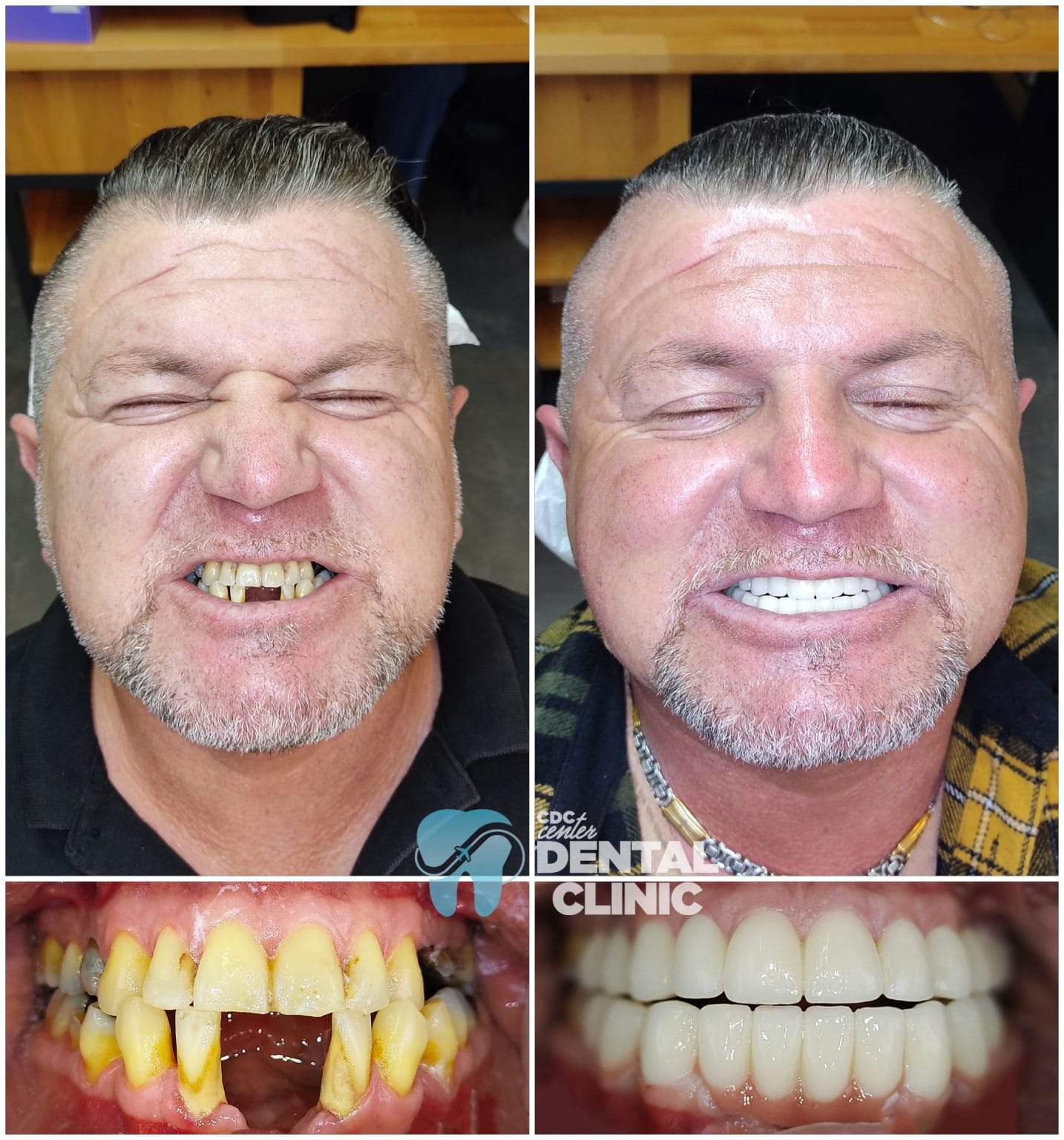
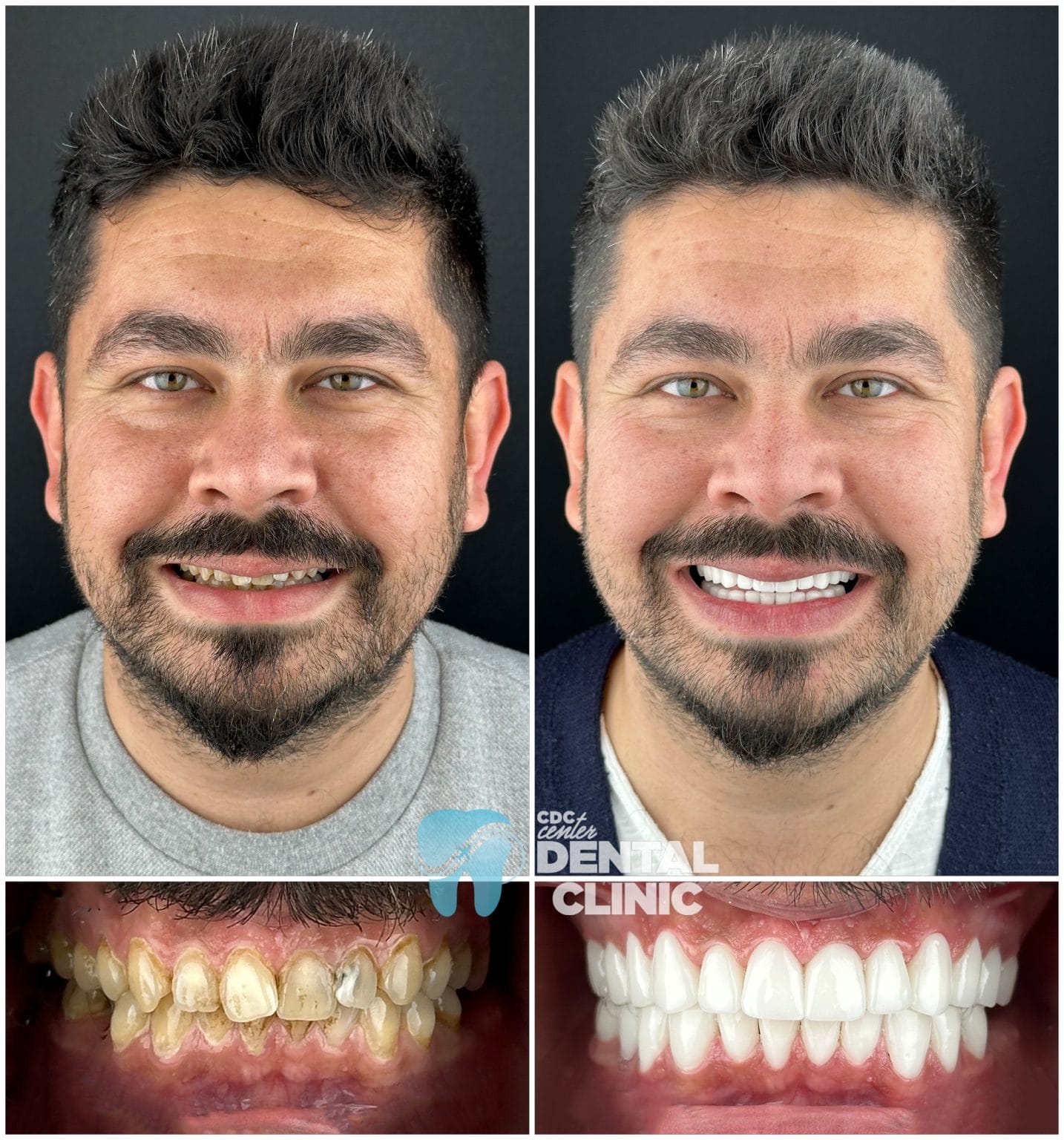
Before After